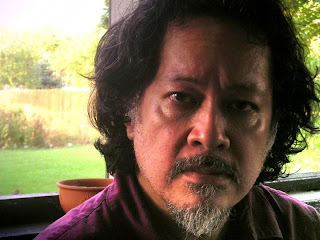
The underground literary world has always existed just outside the mainstream spotlight — alive in dimly lit bookstores, late-night readings, photocopied zines, and conversations between writers who care more about expression than commercial success. Few figures represent that independent creative spirit better than Ron Kolm.
Known throughout New York’s alternative poetry and performance scene, Ron Kolm has spent decades shaping and documenting underground literature through poetry, storytelling, editing, and public readings. His work blends raw honesty, urban realism, humor, and deeply personal observations drawn from city life itself.
In this conversation with writer and interviewer John Wisniewski, Kolm reflects on the evolution of independent poetry culture, the role of artistic communities in major cities, and why authentic voices still matter in an increasingly commercial digital landscape.
The Energy of Underground New York
For decades, New York City has been more than a backdrop for writers — it has been a living participant in the creative process. From the Lower East Side poetry scene to small art collectives and spoken word venues, the city helped shape generations of artists operating outside traditional publishing systems.
Ron Kolm emerged from that environment, where poetry readings were community gatherings and literary experimentation thrived without corporate gatekeeping.
According to Kolm, the underground scene succeeded because it prioritized authenticity over popularity. Writers were free to challenge norms, explore unconventional themes, and publish work that traditional outlets would often reject.
That same rebellious creative spirit remains deeply connected to modern urban culture today — from graffiti and street photography to hip-hop lyricism and independent digital publishing.
Poetry as Documentation of City Life
One of the defining aspects of Kolm’s work is how closely it reflects the rhythms of everyday urban existence. His writing captures fleeting conversations, emotional tension, loneliness, humor, nightlife, addiction, friendship, and survival within constantly changing city environments.
Much like street photographers documenting hidden moments or graffiti artists leaving messages across public walls, underground poets preserve emotional snapshots of urban culture that mainstream media frequently overlooks.
This connection between poetry and city documentation continues to inspire independent creators worldwide.
At its core, underground literature has always functioned as cultural preservation.
Independent Publishing Before the Internet
Long before social media and blogging platforms existed, independent writers relied on zines, literary magazines, photocopied chapbooks, and small press collaborations to distribute their work.
Kolm discusses how grassroots publishing networks created tight creative communities where artists actively supported one another’s projects.
These DIY systems allowed writers to maintain creative freedom while building loyal audiences organically.
Ironically, many modern creators are now rediscovering those same principles:
- Direct audience connection
- Independent publishing
- Community-driven culture
- Authentic personal branding
- Niche artistic identity
The tools have changed, but the mindset remains remarkably similar.
The Relationship Between Poetry and Urban Art
Urban culture has never belonged to a single medium.
Graffiti, spoken word, punk music, underground film, photography, and hip-hop all emerged from overlapping creative spaces. They share a common foundation:
- self-expression,
- resistance,
- experimentation,
- and community storytelling.
Kolm’s reflections reveal how poetry naturally intersects with visual urban art forms.
A graffiti mural and a poem often attempt the same thing:
to leave a human mark on an environment that constantly erases individuality.
That philosophy remains central to modern street culture today.
Why Underground Voices Still Matter
In an online world dominated by algorithms, trends, and mass-produced content, independent artistic voices remain essential.
Underground writers continue to offer perspectives that are emotionally raw, politically unfiltered, and culturally honest.
Ron Kolm’s career serves as a reminder that creative impact is not always measured by mainstream visibility. Sometimes the most influential artistic movements develop quietly — through communities, conversations, and persistence over time.
The independent spirit behind underground literature continues to influence:
- modern poetry,
- street journalism,
- alternative media,
- hip-hop culture,
- and urban creative communities worldwide.
Final Thoughts
The conversation between Ron Kolm and John Wisniewski reflects more than literary history — it captures the enduring relationship between art and urban identity.
Independent writers, street artists, musicians, photographers, and cultural archivists all contribute to the evolving story of city life.
At a time when creative work is increasingly shaped by trends and algorithms, underground voices continue reminding us why authentic expression still matters.